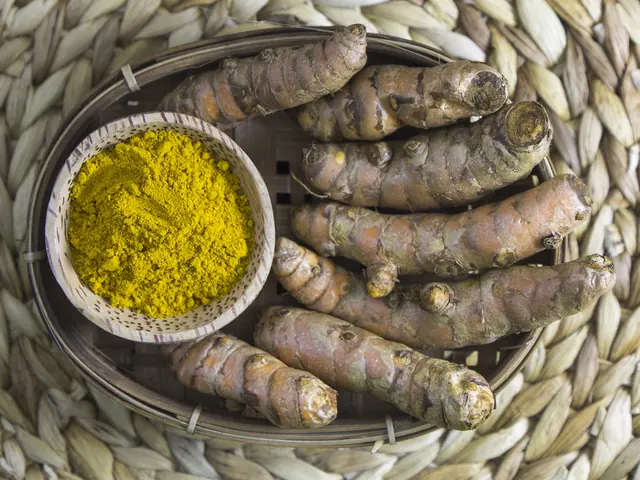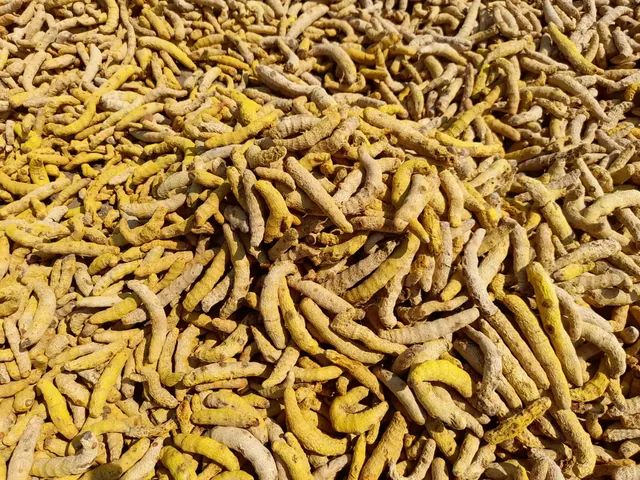
Turmeric reaches international buyers in two main forms: whole dried fingers and ground powder. Both come from the rhizomes of Curcuma longa, but they suit different businesses, and choosing the right one affects quality control, shelf life and cost of handling.
What each form is
Turmeric fingers are the whole secondary rhizomes. After harvest they are traditionally boiled, dried and polished, which gives a hard, stable product that keeps well while whole.
Turmeric powder is made by grinding dried rhizomes to a specified fineness. It is ready to use in blends and food production as soon as it arrives.
When fingers make sense
- You run your own grinding or blending operation and want to control mesh size and blending.
- You want to test and grind lots separately before they enter production.
- You need longer storage before use, since whole spices generally hold their aroma longer than ground ones.
When powder makes sense
- You do not have milling equipment, or prefer to buy to a finished specification.
- Your customers need a consistent, ready-to-use ingredient.
- You want to reduce processing steps after import.
What to specify in your inquiry
For either form, state the parameters that matter to your market. Common ones are curcumin content, moisture, colour and, for powder, mesh size. Buyers often ask whether a certificate of analysis and a pre-shipment sample can be provided, particularly for a first purchase; include this in your enquiry so it can be confirmed.
If you are unsure which form fits your business, describe how you plan to use the turmeric in your enquiry. You can request a quote for both forms in one enquiry.