

Before asking for a quotation, it helps to be clear about what you actually need. An enquiry that describes the intended use, the form of the product, the characteristics that matter and the destination gives a supplier something concrete to review, and gives you a firmer basis for comparing the answers you receive.
This guide sets out the areas buyers commonly think through before submitting a spice sourcing enquiry. It is general information: the right requirements depend on your product, your customers and the rules of your destination market.
Start with how the spice will be used
The same spice can be bought for very different purposes. Whole black pepper intended for grinding and retail packing may be judged differently from pepper destined for an industrial seasoning blend. Turmeric bought to colour a food product may call for different checks from turmeric sold whole.
Writing down the end use, even in one sentence, helps both sides focus on the characteristics that genuinely matter rather than on a long list of parameters.
Choose the product form
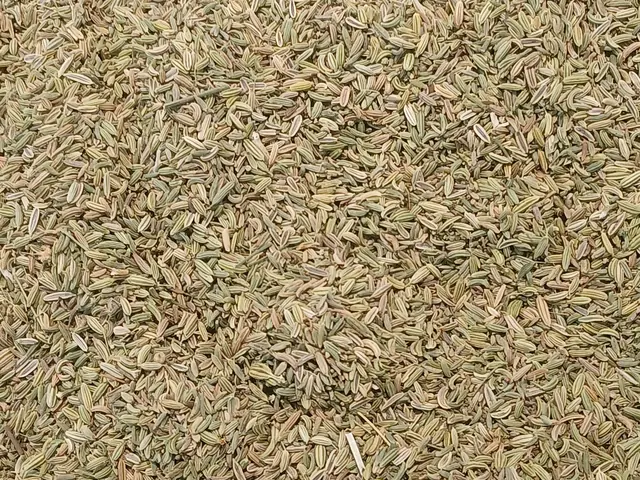
Decide whether you need the spice whole, ground or in another form. Whole spices such as peppercorns, cumin seeds, coriander seeds, cloves and cinnamon quills often suit buyers who grind or blend in-house, while a ground product such as turmeric powder suits buyers who need a ready-to-use ingredient. Our article on turmeric powder and turmeric fingers looks at this choice in more detail.
Identify the characteristics that matter to you
Most buyers check a small number of characteristics on every lot. Depending on the spice and its use, these can include:
- moisture;
- cleanliness, such as the absence of foreign matter;
- size, colour or general appearance;
- aroma and flavour strength;
- for ground spices, particle size or mesh.
State the characteristics you need and, where you have them, the limits your own specification uses. If you work to an internal specification sheet, include its key points in your enquiry. Do not assume that a particular grade or value is available until it has been confirmed for your enquiry.
Think about packaging early
Packaging affects handling, storage and labelling at destination. Note the pack size you prefer, any requirements for inner and outer packaging, and any labelling or marking your customers expect. Our guide to storing whole spices and dry fruits explains why moisture, heat and air matter once goods arrive.
Be specific about quantity and timing
Give an approximate quantity for each product with a clear unit, such as kilograms, metric tonnes or containers, and say whether the requirement is a one-off purchase or likely to repeat. If you have a target delivery window, include it so that it can be discussed realistically.
Know your destination requirements
Import rules for spices vary by country and can change. Food safety limits, labelling rules and documentation requirements are set by the authorities of the destination market, and your own customers may add requirements of their own. Confirm current requirements with the competent authorities, your customs broker or other qualified advisers, and list the documents you expect in your enquiry so that their availability can be discussed.
Questions to prepare before you enquire
- What will the spice be used for, and by whom?
- Which form do you need: whole, ground or another form?
- Which characteristics will you check, and what limits apply?
- How should the product be packed and labelled?
- What quantity do you need, in which unit, and how often?
- Which country, port or delivery location is the shipment for?
- Which documents do your authorities or customers require?
Putting it into your enquiry
Once you have answers to these questions, the Request a Quote form lets you select one or more products, give a quantity and unit for each, and add your specifications, packaging preferences and destination. Sharing these details does not by itself confirm availability, price or an order; it gives the enquiry a clear starting point. You can also browse the product catalogue first.